
 By
By 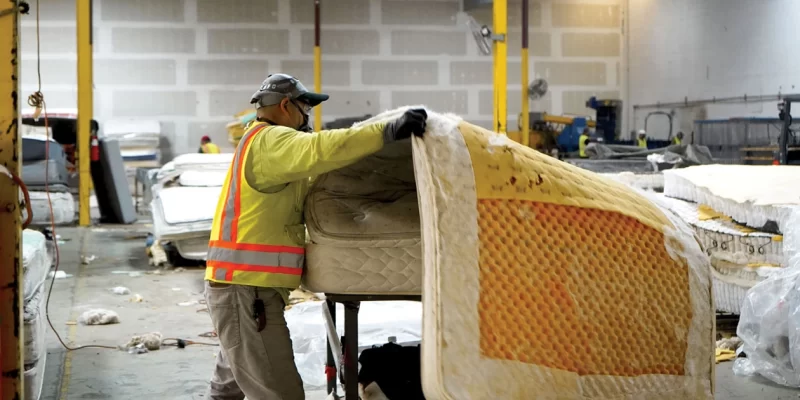
The average Canadian tosses out a mattress every eight to ten years, rarely considering the cost beyond curbside disposal. Yet, with every mattress that gets dumped, the country faces a mounting waste crisis hidden under layers of fabric and foam.
The Growing Challenge of Mattress Waste in Canada
Why Mattress Disposal Is an Environmental Crisis
Each discarded mattress takes up as much landfill space as a refrigerator, and unlike your kitchen appliance, it is notoriously hard to break down. The sheer bulk of old mattresses, combined with their resistance to decomposition, means landfills across the country are swelling at an alarming rate. With many sites already at capacity, communities are struggling to find space for these oversized, unwieldy items.
The Longevity Problem: Why Mattresses Take 100 Years to Decompose
Few realize that a mattress, once buried, can persist for up to a century before fully degrading. The blend of steel springs, polyurethane foam, and dense textiles creates a toxic legacy for future generations. As each old mattress lingers in the earth, it leaches chemicals and occupies valuable landfill real estate that could be spared with smarter disposal methods.
Current Landscape: Lack of National Mattress Recycling Policies
Canada still lacks a nationwide mandate or infrastructure for recycling mattresses. While some progressive cities try to reduce waste, many regions simply send used mattresses to landfill. The absence of standardized laws leaves most Canadians without convenient or consistent recycling options, making it difficult for even the most eco-minded citizen to do the right thing.
Innovative Solutions to Mattress Waste
How Mattress Recycling Works: From Collection to Material Recovery
Modern mattress recycling begins with pick-up or drop-off, followed by careful dismantling. Skilled workers separate steel springs, foam, wood, and fabric, diverting each material from landfill to specialized recycling streams. This process transforms a bulky burden into valuable resources, including scrap metal and reusable fibers.
Spotlight on Recyc-Matelas: A Pioneer in Mattress Recycling Technology
Among the few organizations stepping up to tackle this crisis, Recyc-Matelas stands out. Founded in 2007, this Canadian company pioneered a unique recycling system capable of handling large volumes of mattresses efficiently. With facilities in Quebec, Ontario, France, and Belgium, Recyc-Matelas has developed a method that allows for the complete dismantling of mattresses, ensuring zero waste ends up in landfills. Their technology also supports the job market by employing individuals with intellectual disabilities, providing them with meaningful work and a path to community reintegration.
Social Impact: Creating Sustainable Jobs and Inclusive Employment
Recyc-Matelas doesn’t just recycle materials, it recycles opportunities. Their commitment to social inclusion is evident in their sustainable job creation program, which enables people with intellectual disabilities to secure full-time employment. This model not only addresses waste but also promotes social equity.
Environmental and Economic Benefits of Mattress Recycling
Reducing Landfill Overflow: Zero Waste Achieved
Over 400,000 mattresses are recycled annually in Quebec and Ontario alone under this model. In France, that number hits the one-million mark. Every single mattress processed avoids the landfill, a critical win for municipal waste management.
Recovering Valuable Materials: Steel, Foam, and Fabrics Reuse
What most see as trash, mattress recyclers see as treasure. Steel from springs is melted down and reused. Foam gets cleaned and repurposed into carpet underlay. Even fabrics find new life in industrial applications. The end result is a significant reduction in the extraction of virgin materials.
Cost Savings for Municipalities and Taxpayers
By diverting bulky waste, cities save on landfill fees and extend the lifespan of existing sites. These savings ripple through to taxpayers, who ultimately foot the bill for expanding or managing overburdened dumps.
Overcoming Barriers to Effective Mattress Recycling
Challenges Municipalities Face in Implementing Programs
Despite clear benefits, many cities struggle with the cost of collecting and transporting bulky items, a lack of processing facilities, and inconsistent provincial policies. Coordination and funding remain major hurdles.
Addressing Public Awareness and Participation
Many Canadians still don’t know where to take their old mattresses or why it matters. Education campaigns and municipal guidance can bridge this gap, making it easier for households to do their part.
Regulatory and Logistical Hurdles
Without federal policy, progress depends on fragmented provincial rules and voluntary programs. This patchwork system creates confusion and limits the reach of recycling services.
How to Participate in Mattress Recycling Across Canada
Finding Local Recycling Centers and Drop-off Points
Start by searching for municipal recycling depots or specialized centers that accept mattresses. Many regions provide lists online, and companies like recyclage matelas Canada are helpful resources for locating trusted recyclers in your area.
Scheduling Bulk Pickup and Responsible Disposal Options
Some municipalities offer curbside bulk waste pickup by appointment, especially for large items like mattresses. Always confirm that your mattress will be recycled and not sent to landfill.
Guidelines for Preparing Mattresses for Recycling
Remove bedding and ensure the mattress is dry and free of infestation. Some recyclers require plastic wrapping to prevent contamination during transport.
Building a Sustainable Mattress Recycling Future
The Role of Policy Advocacy and Government Initiatives
Lasting change will require advocacy for clear, national guidelines and investment in recycling infrastructure. Policymakers must recognize mattress waste as a priority.
Innovations on the Horizon: Scaling Up Technologies and Infrastructure
Exciting advances in automated dismantling and material sorting could make recycling feasible nationwide, even in remote areas. Scaling up these technologies is the next big step.
How Consumers and Businesses Can Drive Change
Every purchase matters. Choose retailers that offer take-back programs. Ask hotels and property managers how they dispose of old mattresses, and encourage them to support recycling.
Taking Action Today: Steps You Can Implement Immediately
– Partner with a certified mattress recycler when replacing your mattress.
– Share recycling resources with friends and colleagues.
– Support local policies that favor circular economy practices in household waste management.
Solving Canada’s mattress waste problem will take effort from every corner, individuals, businesses, and governments all have vital roles to play. With practical steps and a bit of awareness, efficient mattress recycling can become the new normal.









Comments