
 By
By 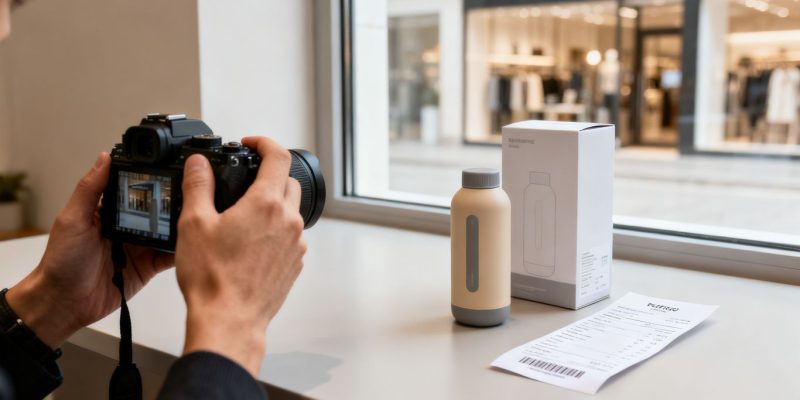
Retailer liability concerns whether a business that sells a product may be held legally responsible when that product causes harm. A retailer may be part of a claim even when it did not design or manufacture the item. The answer depends on the facts, the legal theory asserted, and the law of the state where the claim is brought.
How retailers fit into the product distribution chain
Products often pass through several businesses between the factory and the person who uses them. A retailer is typically the seller closest to the customer, but wholesalers, distributors, importers, and manufacturers may also have played a role. Depending on the applicable law, more than one party in that chain may be named in a claim.
How retailer claims differ from claims against manufacturers
A claim against a manufacturer may focus on how a product was designed, made, or labeled. A claim involving a retailer may instead examine whether the retailer sold the product, made statements about it, or contributed to a problem through storage, assembly, or handling. The retailer’s role does not automatically establish responsibility; the claimant still needs to connect the alleged defect and the resulting harm to a recognized legal basis.
Why state laws can produce different outcomes
There is no single rule that resolves every retailer liability dispute nationwide. States differ in how they define a product seller, which claims they permit against sellers that did not manufacture the product, and what defenses may apply. A Washington statute, for example, sets out state-specific provisions on product liability and product sellers; it should not be treated as a nationwide rule. Local law can therefore affect both who may be sued and what must be proved.
When a seller may qualify for a legal exception
Some state laws limit claims against sellers whose role was confined to distributing or selling a product, particularly when another party made it. The details and conditions vary, and an exception may not apply if the seller had a separate role, such as altering the product or making a relevant representation. Whether a seller qualifies is a legal question that turns on the statute and the evidence, not simply on the seller’s label in the supply chain.
Product defects that can lead to retailer liability
A product liability claim generally turns on an alleged defect, but “defect” can refer to different problems. It may arise in one item, in the design shared by a product line, or in the information supplied with the product. The retailer’s connection to that problem, and whether the defect caused legally recognized harm, remain important parts of the analysis.
Manufacturing defects in individual products
A manufacturing defect occurs when an individual product differs from its intended design or specifications. A missing component, faulty assembly, or contamination could be alleged as a defect, depending on the product and circumstances. The fact that one item was flawed does not by itself establish that a retailer caused the flaw, though a seller may still be included in a claim under some state laws.
Design defects that affect an entire product line
A design defect allegation is different: it concerns a feature common to a product or product line, rather than an isolated mistake during production. The analysis may consider the product’s risks and usefulness under the test recognized by the relevant state. A retailer’s sale of the item may place it within the distribution chain, but the design choices are usually examined in light of the parties and evidence involved in creating the product.
Failure to provide adequate warnings or instructions
Some claims allege that a product lacked a sufficient warning or usable instructions about a risk. The questions may include what risks were known or reasonably knowable, what information accompanied the product, and whether a different warning could have affected its use. A retailer’s own statements or handling of included warnings can matter, while the manufacturer’s role in preparing product information may also be relevant.
Defects caused or worsened by storage, assembly, or handling
A product that left the manufacturer in sound condition might later be damaged or made unsafe during storage, assembly, or handling. For example, improper storage could affect a perishable item, while incorrect assembly may leave a product unstable. Evidence about the product’s condition at different points in the supply chain can help distinguish an original defect from damage introduced after manufacture.
Legal theories used to hold retailers responsible
A complaint may rely on one or more legal theories, and each asks a different question about the seller’s conduct or connection to the product. The available theories and their requirements vary by state. A general products liability overview describes the kinds of parties and claims that may arise, but a particular dispute must be evaluated under the law that applies to it.
Strict liability for selling a defective product
Strict liability, where recognized, can allow a claim based on a product defect without requiring proof that the retailer acted carelessly. The claimant still generally must establish the elements required by state law, which may include that the seller was in the business of selling the product, that it was defective when it left the seller, and that the defect caused harm. The phrase “strict liability” does not mean automatic liability, and rules for sellers that did not manufacture the product differ.
Negligence in selecting, inspecting, or handling products
A negligence claim focuses on whether the retailer failed to use reasonable care and whether that failure contributed to the harm. Depending on the facts, an allegation might concern a retailer’s own assembly, handling, or response to information about a product risk. A business is not necessarily negligent simply because it sold an item that later caused an injury; the claim must be supported by evidence of a relevant duty, breach, and causal connection under applicable law.
Breach of express or implied warranties
Warranty claims concern promises or assurances about a product, as well as certain legal obligations that may accompany a sale. An express warranty might arise from a specific statement about a product’s qualities, while implied warranties are governed by state law and the circumstances of the transaction. The wording of the sale materials, any disclaimers, and the buyer’s use of the product may all matter.
Misrepresentation about a product’s safety or performance
A retailer may face a misrepresentation claim if it made a false or misleading statement about a product and the statement caused legally recognized harm. Relevant evidence might include product descriptions, sales conversations, advertisements, or other representations attributable to the seller. General praise or a statement supplied by another party may be treated differently, so the precise words and who made them can be significant.
Circumstances that can strengthen or limit a claim
The presence of a defect allegation is only one part of a claim. The claimant generally must connect the product, the seller’s role, and the claimed injury or loss in a way the governing law recognizes. Evidence about product use, condition, and changes after sale can strengthen or weaken that connection.
Showing that the defect caused an injury or other legally recognized harm
A claimant usually needs evidence of actual harm and a causal link between that harm and the alleged defect. An injury occurring while someone used a product does not, on its own, prove that a defect caused it. Medical records, product inspections, witness accounts, and other evidence may help clarify what happened, though the evidence needed depends on the claim and jurisdiction.
Establishing that the product was used as intended or in a foreseeable way
How the product was used can affect whether a claim succeeds. Intended use may support the argument that the product should have performed safely in those conditions, while an unexpected or prohibited use may complicate causation or raise defenses. Some laws also consider uses that were not intended but could reasonably have been anticipated, so the product instructions and the circumstances of use deserve careful attention.
Considering whether the product was altered after sale
A product’s condition after it was sold may become a central issue. A change, repair, or modification could have caused the problem, contributed to it, or left the original defect unaffected. The timing and nature of any alteration, along with who performed it, can help establish whether the product remained substantially as it was when it left the retailer.
Applying state laws that protect certain nonmanufacturing sellers
Some states provide protections or exceptions for sellers that did not manufacture a product, but the rules are not uniform. The provisions may depend on whether the manufacturer can be identified or brought into the case, and whether the retailer had a separate part in causing the alleged harm. Because these laws can have specific requirements and exceptions, the seller’s role should be assessed against the actual statute and case law.
How online sales and marketplace arrangements affect liability
An online purchase does not by itself settle which business counts as the seller or who may be responsible. A website may sell products directly, host listings from third parties, or combine those arrangements. The parties’ actual roles, the sale records, and the applicable state law help determine how a claim should be analyzed.
Distinguishing a retailer from an online marketplace
A retailer generally sells the product as part of its own transaction with the customer, while an online marketplace may provide a platform for sales by other businesses. In practice, the distinction can be less obvious when a website presents listings, payment, or customer service in a unified way. The name displayed on a webpage is useful evidence, but it may not answer every legal question about the transaction.
Assessing the seller’s role in fulfillment and product control
Fulfillment arrangements can help show which party stored, packed, shipped, or handled the item. They may also reveal whether the seller had an opportunity to inspect or control the product before delivery. These facts do not determine liability on their own, but they can clarify the seller’s practical involvement and whether its actions contributed to the condition that allegedly caused harm.
Tracing responsibility when products come from third-party vendors
When a third-party vendor supplies an item, purchase confirmations, invoices, listing details, and shipment records can help identify the parties involved. A platform’s role in arranging a sale may differ from that of the vendor that owned or supplied the product. Naming the correct entities may require investigation, especially when a listing uses a trade name or the product was shipped from a separate business.
Reviewing how state law treats marketplace platforms
State law may treat an online platform differently from a conventional retailer, and courts may consider the platform’s particular role in the transaction. Relevant questions can include whether the platform sold the product itself, handled fulfillment, or participated in representations about it. The answer should not be assumed from the platform’s terms alone; the facts and governing law both matter.
Evidence and steps involved in a retailer liability claim
Early documentation can make it easier to understand what happened and preserve details that might otherwise be lost. A claim may involve several businesses, disputed product conditions, and different legal theories. Careful records can help an attorney assess both the product and the retailer’s place in the transaction.
Preserving the product, packaging, and purchase records
If it is safe to do so, the product and its packaging should be kept in their current condition rather than repaired, discarded, or altered. Purchase confirmations, receipts, labels, and related records can help identify when and where the item was sold. Useful materials often include several kinds of evidence, each serving a different purpose:
- The product itself, stored safely and left unchanged where possible.
- Packaging, labels, instructions, and warnings that came with it.
- Receipts, order confirmations, and payment records showing the transaction.
- Photographs of the product and its condition, taken before anything is moved or repaired.
Keeping these materials together can help preserve context, including product identifiers and information about the seller. An attorney can advise how to handle inspection or testing so that the product’s condition is not inadvertently disputed later.
Documenting the injury, product use, and relevant warnings
A clear account of the incident can help connect the product’s condition to the claimed harm. Notes may record when and where the product was used, who was present, what happened immediately before the event, and which instructions or warnings were available. Medical records and photographs may also help document injuries, while accounts should distinguish firsthand observations from later conclusions about the cause.
Identifying the retailer, manufacturer, and other supply-chain parties
Order records, product labels, and packaging may identify the retailer, manufacturer, importer, or distributor. A product listing can change or disappear, so retaining a dated copy may be useful. Identifying these parties early can help clarify who supplied the product and whether additional businesses were involved in its storage, assembly, or shipment.
Reviewing deadlines and consulting a product liability attorney
Legal deadlines vary by state and by the type of claim, and some notice requirements may apply in particular situations. Waiting to investigate can make it harder to preserve a product or locate records, so prompt advice may be helpful. A product liability attorney can review the facts, identify potentially responsible parties, and explain which legal rules and deadlines may govern the claim.









Comments