
 By
By 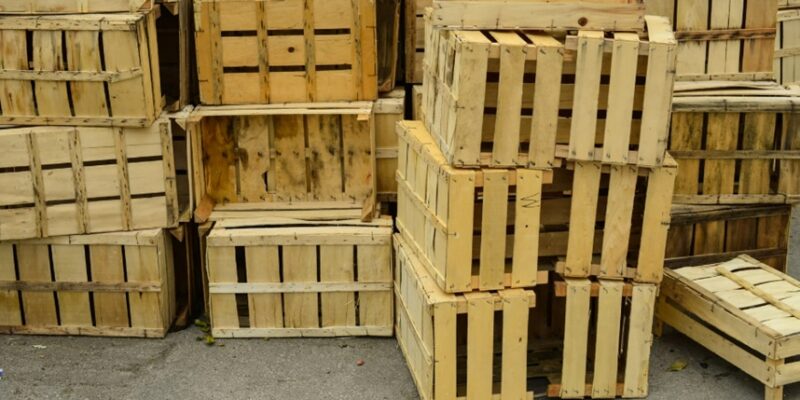
In global trade, safeguarding goods during transport is a top priority. From delicate machinery to large industrial parts, export packaging must be designed to withstand the rigors of long-distance shipping. That’s where export crates play a vital role. More than just containers, these specialized crates provide structural integrity, environmental protection, and regulatory compliance that are crucial for ensuring international shipments arrive safely and intact.
The Importance of Secure Export Packaging
Export shipments face numerous hazards—rough handling, moisture, stacking pressures, and temperature fluctuations. A well-constructed export crate mitigates these risks, providing stability and security throughout the journey.
Before selecting a crate, it’s important to understand how different packaging options compare. While boxes may work for lightweight, domestic shipments, understanding the distinction between crates vs boxes can help determine which container meets your specific logistics and durability needs. Crates offer superior strength, customizability, and ventilation essential when shipping bulky or sensitive items overseas.
Protection from Physical Damage
Export crates are engineered to endure impacts during loading, unloading, and stacking. Whether shipped by land, sea, or air, cargo can encounter sudden jolts or vibrations. Crates with reinforced corners, internal bracing, and skid-resistant bases reduce the risk of damage.
Moisture and Environmental Resistance
Humidity, rain, and saltwater exposure are common concerns during ocean freight. Quality crates can be treated or lined to resist moisture and mold growth. This is especially critical when shipping metal parts, electronics, or wooden items that may warp or corrode.
Tamper Resistance and Security
International shipments are often handled at multiple checkpoints. Crates with secure closures and tamper-evident features help ensure that contents remain intact and untouched throughout the supply chain.
Choosing the Right Material for Export Crates
The durability and performance of a crate are significantly influenced by what it’s made from. For certain shipments, material choices for custom crates, including wood, metal, or plastic can determine how well the crate holds up under pressure or environmental stress. Wood is often preferred for its affordability and custom sizing, while plastic offers a moisture-resistant option and metal provides unmatched structural strength for heavy-duty items.
Partnering with Professional Crating Services
While crate designs can be customized in-house, it is far more efficient and reliable to partner with professionals who specialize in industrial-grade crating solutions. These experts ensure each crate complies with international standards such as ISPM-15, which mandates heat treatment for wooden crates used in global shipping. Moreover, they tailor crate designs to suit product weight, size, fragility, and transit routes.
Professionally built export crates are also optimized for space-saving and stacking, helping businesses reduce shipping costs without compromising cargo safety. From manufacturing to documentation, expert packaging providers streamline the export process, eliminating guesswork and reducing costly errors.
Conclusion
Export crates are more than just wooden containers—they are a critical line of defense between your valuable products and the unpredictable conditions of international transit. By choosing the right crate type and material, and relying on professional expertise, you ensure your shipments arrive at their destination securely, regardless of distance or handling complexity.












Comments